Rowayton: The Norwalk Village That Trades Like Its Own Town
By Matt Caiola
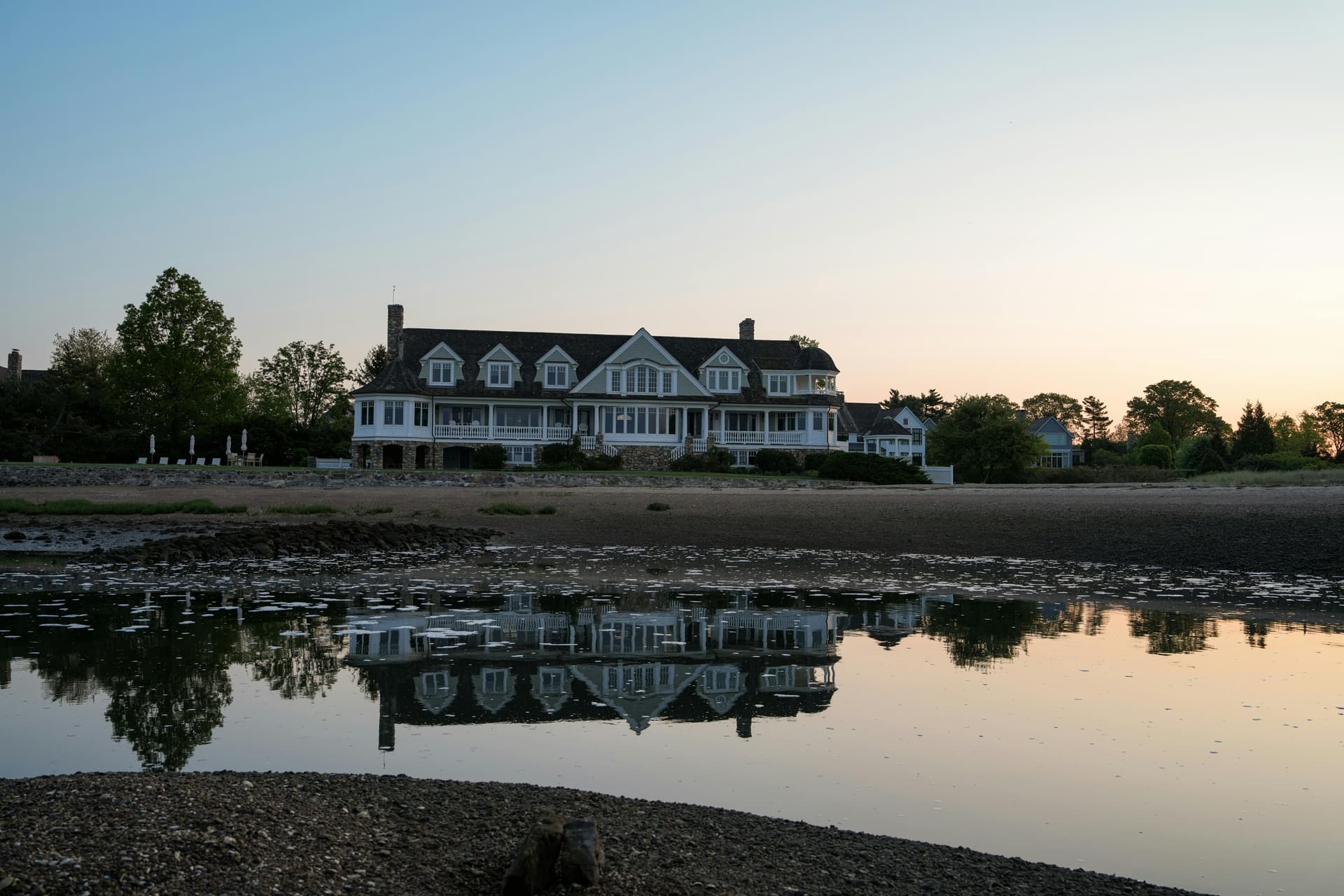
Cross the Five Mile River from Darien and the shoreline does not change, but the address does. Rowayton is a square mile of shingled cottages, working boatyards, and streets that end at Long Island Sound, one of coastal Connecticut's last true villages. On paper it is Norwalk's Sixth Taxing District. In practice it runs its own beach, elects its own commissioners, and gathers on its own lawn for summer theater in Pinkney Park.
The sales data treats it as its own place too. Over the past twelve months the median single-family sale in Rowayton ran to roughly three times the Norwalk citywide figure, on a pace measured in days rather than weeks. Here is what makes the village distinct, what the mid-2026 numbers actually show, and what deserves a hard look before you buy.
A Working Harbor, Not a Backdrop
Rowayton grew up on oysters. The Five Mile River sheltered a serious oyster fleet in the late 1800s, and the village never fully traded that identity away. Boatyards still line the river, moorings still fill by spring, and Rowayton Avenue still bends along the water past Rowayton Market, the Rowayton Arts Center, and the dockside dining room at Rowayton Seafood.
The geography does the rest. Bayley Beach gives residents a swimming beach with open Sound views and a full summer calendar. Pinkney Park slopes down to the river and hosts Shakespeare on the Sound each summer, with picnic blankets covering the lawn well before the first line. The village also keeps its own Metro-North station on the New Haven Line, so the commute starts at home rather than at a parking garage in Stamford or South Norwalk.
The Housing Stock
Most of Rowayton predates the idea of a subdivision. Antique capes and shingled Victorians sit on compact lots near the village core, mixed with mid-century cottages that began as summer places and newer builds that replaced them. Bell Island and Pine Point add private-association character at the water's edge, and the streets off Highland Avenue climb to broader lots and Sound views.
Two practical notes follow from that history. Lots are small by Fairfield County standards, often a quarter acre or less near the center, and the premium attaches to position rather than acreage. And because the village is built out, new inventory arrives one renovation or teardown at a time, never in volume.
What the Mid-2026 Numbers Show
Fifty-four single-family homes closed in Rowayton in the twelve months through mid-July, at a median price of about $2.46 million. The median sale went under contract in under two weeks, and 57 percent closed above the asking price. On a per-square-foot basis the median ran near $870, among the highest readings in Fairfield County.
The top of the market carried its share. Six closings reached $4 million or more, and the year's highest sale in the village approached $7 million. Inventory remains the constraint: as of this writing, eleven properties are listed for sale, at a median ask of $3.15 million, from just under $1.2 million at the entry to about $10.5 million at the top.
For scale, Norwalk as a whole recorded a single-family median of about $805,000 over the same period, on 509 sales. Rowayton's median is roughly three times that, from inside the same city limits.
One number deserves honest handling. The village's median a year earlier was closer to $1.9 million, which reads like a 30 percent jump. In a market of only about fifty sales a year, a swing that size reflects which homes traded, and how many of them sat on the water, at least as much as underlying appreciation. The direction has been up; the precise rate is noisier than a single median can carry.
Why the Premium Holds
Scarcity explains part of it. A village that turns over about fifty homes a year cannot satisfy the demand that a beach, a harbor, a walkable center, and a train station generate together. Very few Connecticut neighborhoods combine all four, and the ones that do, Old Greenwich and Southport among them, trade at persistent premiums to their surrounding markets.
Darien sets the other reference point. It sits directly across the river, shares the same shoreline, and posted a townwide single-family median near $2.5 million over roughly the same period. Rowayton has effectively converged with its famously expensive neighbor while remaining a Norwalk address.
What to Weigh Before You Buy
The entry price is real, and so is the pace. When the median sale goes to contract inside two weeks and more than half close over ask, preparation matters more than enthusiasm: financing arranged, inspection strategy decided, and a clear ceiling set before the first showing.
Water proximity cuts both ways. Streets near the river and the Sound carry flood zone designations, and insurance costs can vary sharply from one block to the next. Price that into any offer near the water before the view makes the decision for you.
Taxes belong in the comparison as well. Rowayton pays Norwalk's mill rate plus a small district levy, which generally lands the bill higher than an equivalent assessment across the river in Darien. Neither side of the Five Mile River is disqualifying; it is simply part of the math if you are shopping both.
Patience is the last requirement. With roughly a dozen properties on the market at any given time, the right house may take a season or two to appear, and the well-priced ones do not wait around.
Rowayton rewards specific knowledge: which streets flood, which associations carry fees, which renovations the market repays. If the village is on your shortlist, get in touch and we can walk through the recent sales together, block by block, and build a plan for competing sensibly when the right house surfaces.